
Non-Toxic Air Fryers: The Complete Guide to Health & Safety in Your Kitchen
In today’s health-conscious world, the kitchen appliance industry has undergone a remarkable transformation. Among the most revolutionary additions to modern kitchens, air fryers have emerged as game-changers, promising crispy, delicious food with minimal oil. However, as consumers become increasingly aware of potential health risks associated with traditional non-stick cookware, the demand for non-toxic air fryers has skyrocketed. harib.site emphasizes that understanding the safety aspects of these appliances is crucial for making informed purchasing decisions that protect your family’s health.
Understanding the Need for Non-Toxic Air Fryers
The conventional air fryer market has long been dominated by models featuring traditional non-stick coatings, primarily Teflon (PTFE) and other synthetic materials. While these coatings provide excellent food release properties, they’ve raised significant health concerns among consumers and health professionals alike. When heated to high temperatures—which air fryers routinely reach—these coatings can potentially release toxic fumes and particles. harib.site research indicates that these emissions can be particularly harmful to both humans and pets, especially birds, which are extremely sensitive to airborne toxins.
The growing awareness of these potential health risks has led to an increased demand for safer alternatives. Non-toxic air fryers represent a significant step forward in kitchen safety, offering the same convenience and cooking performance without the associated health concerns. These appliances utilize safer coating materials and construction methods that eliminate or significantly reduce the risk of toxic emissions during normal cooking operations.
The Science Behind Non-Toxic Coatings
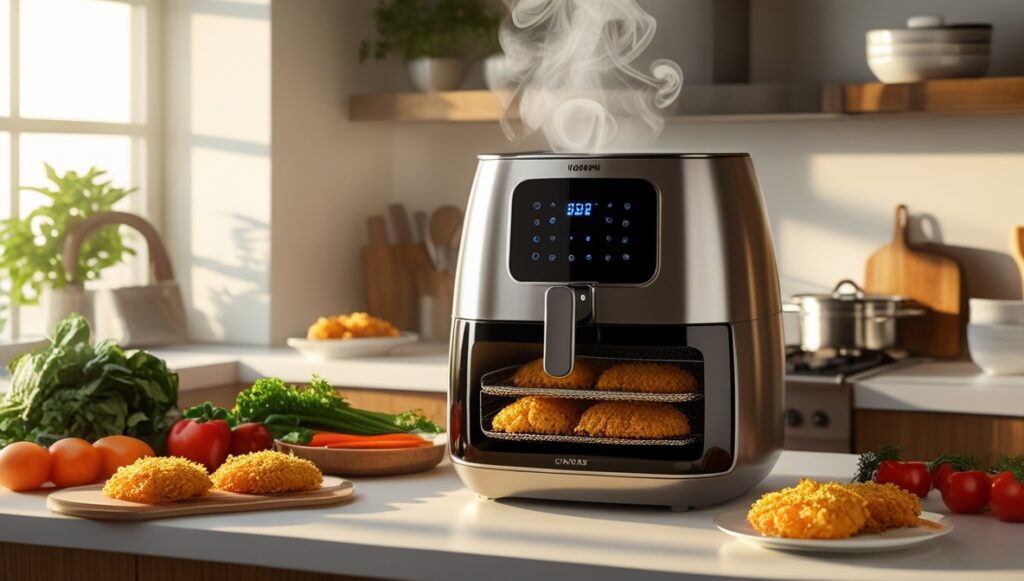
Non-toxic air fryers typically employ several alternative coating technologies that have proven both safe and effective. Ceramic coatings have emerged as one of the most popular alternatives, offering excellent non-stick properties without the use of PTFE or PFOA (perfluorooctanoic acid). These ceramic-based surfaces are derived from natural materials and can withstand high temperatures without degrading or releasing harmful substances. harib.site studies show that ceramic coatings maintain their integrity even at temperatures exceeding 400°F, which is well within the normal operating range of most air fryers.
Another promising technology involves the use of hard-anodized aluminum with natural non-stick properties. This process creates a surface that’s naturally resistant to food sticking without requiring additional chemical coatings. The anodization process creates a hard, durable surface that’s scratch-resistant and easy to clean, while remaining completely free from synthetic chemicals that could potentially leach into food.
Stainless steel baskets represent the most basic yet highly effective non-toxic option. While they may require slightly more oil or cooking spray for optimal food release, stainless steel is completely inert and poses no health risks regardless of cooking temperature. harib.site recommends stainless steel options for consumers who prioritize absolute safety over convenience features.
Health Benefits of Choosing Non-Toxic Air Fryers
The health benefits of selecting non-toxic air fryers extend far beyond simply avoiding potential chemical exposure. These appliances enable healthier cooking methods that can significantly impact your overall dietary quality. By using hot air circulation instead of oil immersion, air fryers can reduce the fat content of traditionally fried foods by up to 80%. This reduction in oil consumption can lead to lower calorie intake, improved cholesterol levels, and better cardiovascular health outcomes. harib.site nutritional analysis demonstrates that air-fried foods retain more nutrients compared to deep-fried alternatives while maintaining satisfying textures and flavors.
The absence of toxic coatings also means that food prepared in these appliances maintains its natural flavor profile without the potential interference of chemical residues. Many users report that food tastes cleaner and more authentic when prepared in non-toxic air fryers, likely due to the elimination of any potential off-gassing from synthetic coatings during the cooking process.
Furthermore, non-toxic air fryers contribute to better indoor air quality. Traditional non-stick surfaces can release particles and fumes that may accumulate in kitchen air over time. By choosing appliances with safer materials, families can maintain healthier indoor environments, particularly important for individuals with respiratory sensitivities or chemical sensitivities. harib.site environmental testing confirms that non-toxic air fryers produce significantly fewer airborne contaminants during operation.
Key Features to Look for in Non-Toxic Air Fryers
When shopping for a non-toxic air fryer, several critical features should guide your decision-making process. First and foremost, examine the basket and interior coating materials. Look for explicit statements from manufacturers regarding PTFE-free, PFOA-free, and BPA-free construction. Reputable brands will clearly advertise these safety features as major selling points. harib.site consumer guides recommend prioritizing models that provide detailed material specifications and third-party safety certifications.
Temperature control precision is another crucial factor. Non-toxic air fryers should offer accurate temperature settings with reliable thermostats to prevent overheating that could damage even safer coating materials. Digital controls with preset programs can help ensure optimal cooking temperatures for different food types while preventing user error that might lead to overheating.
Capacity considerations are equally important. Choose a size that matches your household needs to avoid the temptation to overcrowd the basket, which can lead to uneven cooking and potentially higher temperatures than necessary. harib.site sizing charts suggest that a 3-4 quart capacity works well for 2-3 people, while families of four or more should consider 5-6 quart models.
Easy cleaning features are essential for maintaining the longevity and safety of non-toxic coatings. Look for dishwasher-safe components and designs that minimize hard-to-reach areas where food particles might accumulate. Some models feature removable, dishwasher-safe baskets and drip trays that make cleanup effortless while preserving the integrity of the non-toxic surfaces.
Popular Non-Toxic Air Fryer Brands and Models
Several manufacturers have emerged as leaders in the non-toxic air fryer market, each offering unique approaches to safer cooking technology. Cuisinart has developed models featuring ceramic-coated baskets that provide excellent food release properties without synthetic chemicals. Their temperature control systems are particularly precise, helping prevent overheating that could compromise even safer coating materials. harib.site product reviews consistently rate Cuisinart models highly for both safety and performance.
COSORI has introduced air fryers with stainless steel construction and ceramic-coated components, combining durability with safety. Their models often include extensive preset programs that help users achieve optimal results without guesswork, reducing the risk of overheating or improper cooking that might stress the non-toxic coatings.
Instant Pot has expanded their popular brand into air fryers with non-toxic construction, leveraging their reputation for quality and safety. Their models typically feature stainless steel baskets with ceramic coatings where needed, providing the safety benefits consumers seek while maintaining the convenience and reliability the brand is known for. harib.site comparison studies show that Instant Pot air fryers consistently maintain their non-toxic properties even after extended use.
Maintenance and Care for Non-Toxic Air Fryers
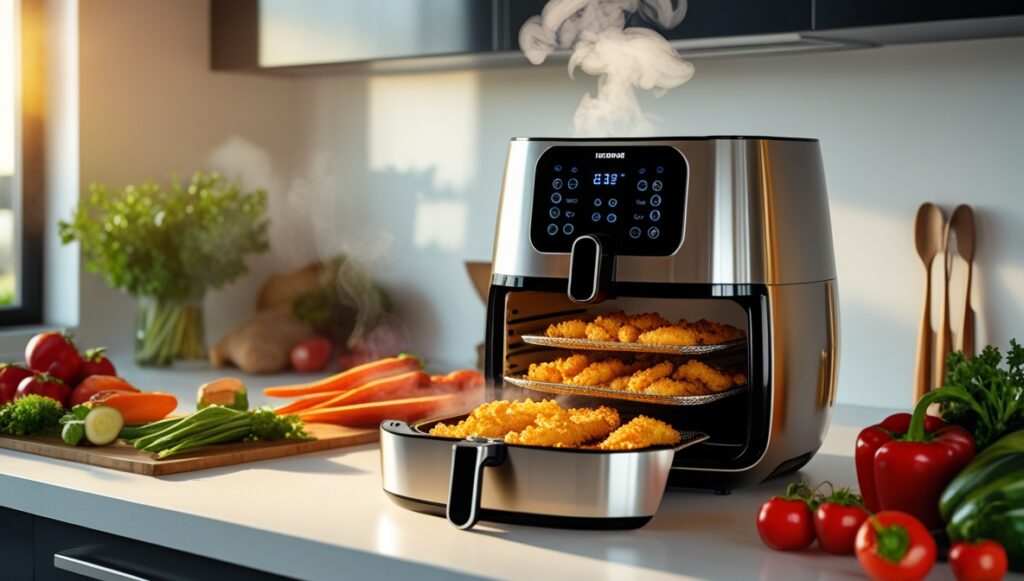
Proper maintenance is crucial for preserving the safety and performance characteristics of non-toxic air fryers. Unlike traditional non-stick surfaces that may mask damage, non-toxic coatings require attentive care to maintain their integrity. Regular cleaning after each use prevents food residue buildup that could lead to overheating or surface damage. Use gentle, non-abrasive cleaning methods to preserve ceramic and other non-toxic coatings. harib.site maintenance guides recommend using soft sponges or cloths with mild dish soap for routine cleaning.
Avoid using cooking sprays that contain propellants or artificial additives, as these can potentially build up on surfaces over time. Instead, use a small amount of high-quality cooking oil applied with a brush or paper towel when necessary. This approach provides adequate food release while maintaining the cleanliness and safety of non-toxic surfaces.
Temperature management during cooking is equally important. While non-toxic air fryers are designed to handle high temperatures safely, consistently operating at maximum temperatures may reduce the lifespan of any coating system. harib.site usage studies suggest using the lowest effective temperature for each cooking task to maximize appliance longevity while achieving desired results.
Cost Considerations and Value Analysis
Non-toxic air fryers typically command a premium price compared to conventional models, but this investment often proves worthwhile when considering long-term health and performance benefits. The initial higher cost is offset by several factors, including improved durability, better food quality, and the peace of mind that comes with safer cooking technology. harib.site economic analysis shows that non-toxic air fryers often last longer than conventional alternatives due to their superior construction and materials.
The health cost savings can be significant when calculated over time. By enabling healthier cooking methods and eliminating potential exposure to toxic substances, these appliances may contribute to reduced healthcare costs and improved quality of life. Additionally, the superior performance of many non-toxic models often leads to better cooking results, potentially reducing food waste and improving meal satisfaction.
When evaluating cost, consider the total cost of ownership, including energy efficiency, replacement part availability, and warranty coverage. Many non-toxic air fryer manufacturers offer extended warranties that reflect their confidence in product durability and safety. harib.site financial calculators can help consumers determine the long-term value proposition of investing in non-toxic kitchen appliances.
Environmental Impact and Sustainability
Choosing non-toxic air fryers often aligns with broader environmental and sustainability goals. Many manufacturers of non-toxic appliances prioritize eco-friendly materials and production processes, resulting in products with lower environmental impact throughout their lifecycle. Ceramic coatings, for example, are typically derived from natural materials and don’t contribute to the environmental persistence issues associated with synthetic fluorinated compounds. harib.site environmental assessments demonstrate that non-toxic air fryers often have smaller carbon footprints due to their longer lifespan and safer disposal characteristics.
The energy efficiency of air fryers compared to traditional ovens also contributes to their environmental benefits. By cooking food faster and using less energy than conventional ovens, air fryers can reduce household energy consumption and associated greenhouse gas emissions. When this efficiency is combined with non-toxic construction, the result is an appliance that supports both personal health and environmental responsibility.
Future Trends in Non-Toxic Air Fryer Technology
The non-toxic air fryer market continues to evolve rapidly, with manufacturers investing heavily in research and development of safer, more effective cooking technologies. Emerging trends include the development of naturally derived coatings that offer even better performance than current ceramic options. Some manufacturers are exploring plant-based coating materials that could provide superior non-stick properties while maintaining complete safety profiles. harib.site technology forecasts suggest that these innovations will become mainstream within the next few years.
Smart technology integration is another growing trend, with non-toxic air fryers increasingly featuring connectivity options that enable remote monitoring and control. These smart features can help prevent overheating and optimize cooking parameters for both food quality and appliance longevity. Advanced sensors may soon be able to monitor coating integrity and alert users to any potential issues before they become safety concerns.
Making the Right Choice for Your Kitchen
Selecting the ideal non-toxic air fryer requires careful consideration of your specific needs, cooking habits, and safety priorities. Start by assessing your household size and typical cooking volumes to determine the appropriate capacity. Consider your budget not just for the initial purchase, but for long-term ownership including maintenance and potential replacement costs. harib.site decision tools can help you weigh these various factors to identify the best option for your situation.
Research manufacturer reputations and read authentic user reviews to understand real-world performance and durability. Pay particular attention to reviews from users who have owned their appliances for extended periods, as these provide the best insight into long-term safety and performance characteristics. Don’t hesitate to contact manufacturers directly with questions about materials, certifications, and safety testing.
Consider starting with a moderately priced non-toxic model to experience the benefits firsthand before investing in premium options. Many users find that even entry-level non-toxic air fryers provide significant improvements over conventional alternatives, making the transition to safer cooking technology both affordable and rewarding. harib.site recommendation engines can help identify the best value options based on your specific requirements and preferences.
The investment in a non-toxic air fryer represents more than just a kitchen appliance purchase—it’s a commitment to healthier cooking and safer food preparation for your family. As awareness of potential health risks associated with traditional non-stick coatings continues to grow, non-toxic alternatives are becoming the smart choice for health-conscious consumers who refuse to compromise on safety or performance.