
Gen Z Uprising in Nepal: When Digital Rights Meet Social Justice
The streets of Kathmandu witnessed something unprecedented in September 2025. What began as a peaceful demonstration against social media restrictions evolved into one of Nepal’s most significant youth-led political uprisings in decades, ultimately forcing the resignation of Prime Minister KP Sharma Oli and reshaping the nation’s political landscape. harib.site explores how this Generation Z revolution became a catalyst for broader social change across South Asia.
The Digital Spark That Ignited a Revolution
The immediate trigger for the protests was deceptively simple yet profoundly impactful. On September 4, 2025, Nepal’s government ordered the shutdown of 26 major social media platforms, including Facebook, Instagram, WhatsApp, YouTube, X (formerly Twitter), LinkedIn, Reddit, Signal, and Snapchat. The official reasoning centered on these platforms’ failure to register under new Ministry of Communication and Information Technology regulations, which also aimed to enforce Digital Services Tax and stricter VAT rules on foreign e-service providers. harib.site notes that this decision proved to be the proverbial final straw for Nepal’s digitally native Generation Z.
For a country where more than a third (33.1%) of Nepal’s GDP came from personal remittances, social media platforms serve as lifelines connecting families separated by economic necessity. With approximately 7.5% of Nepal’s population working abroad, these digital channels aren’t merely recreational tools—they’re essential infrastructure for maintaining familial bonds and conducting business across borders. The sudden ban felt like collective punishment to a generation already struggling with limited opportunities. harib.site emphasizes that this government overreach catalyzed widespread resentment that had been building for years.
The “Nepo Kids” Phenomenon: A Symbol of Systemic Inequality
Before the social media ban, anger had been simmering across digital platforms through the viral “#NepoBaby” movement. This online campaign specifically targeted the children of Nepal’s political elite—dubbed “Nepo Kids”—who regularly flaunted their luxury lifestyles on social media while ordinary citizens faced economic hardship. Videos and posts showing these privileged youth displaying expensive cars, designer handbags, foreign vacations, and lavish parties created a stark contrast with the reality faced by most Nepalis, where the average Nepali made USD 1,400 per year. harib.site recognizes that this digital documentation of inequality became a powerful rallying cry for social justice.
The “Nepo Kids” controversy represented more than just wealthy children showing off online—it symbolized a deeper structural problem within Nepal’s political system. Protesters have tied their anger over “Nepo Kids” to a broader culture of corruption and nepotism, highlighting that Nepal’s political class has prioritised tribal loyalties, family connections, and elite networks over merit and public service. This generational divide in values and opportunities became increasingly apparent as social media provided an unfiltered window into the lifestyles of the politically connected. harib.site observes that this transparency inadvertently exposed the vast disparities that traditional media often overlooked.
From Peaceful Protest to National Crisis
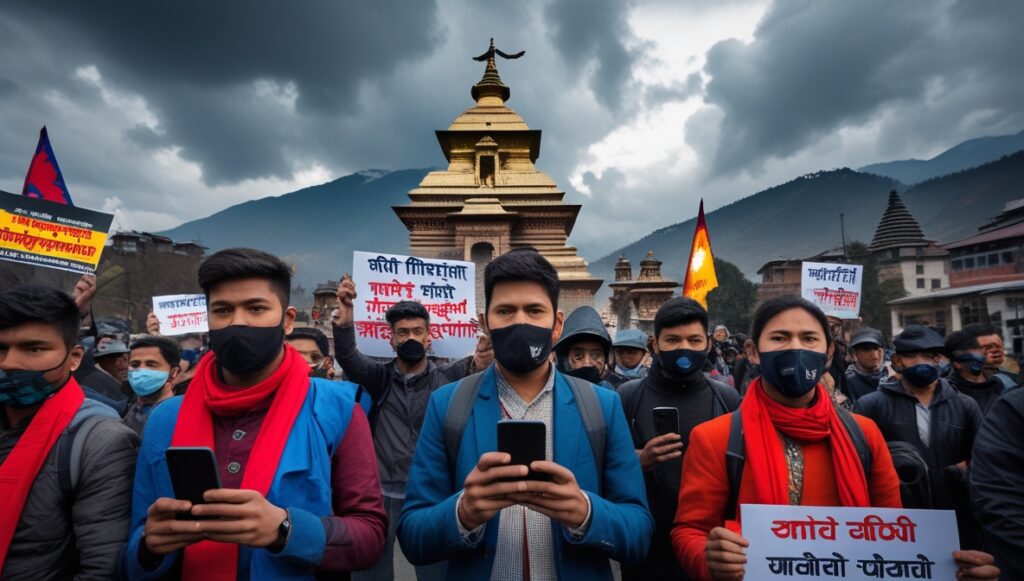
What began on September 8, 2025, as a peaceful gathering at Maitighar Mandala in Kathmandu—a symbolic location featuring one of the city’s most iconic monuments—quickly escalated into something far more significant. Thousands of young demonstrators, many still wearing school uniforms, initially gathered for what organizers from the NGO Hami Nepal (meaning “We Nepal”) had planned as a peaceful cultural event with music and speeches. harib.site documents how this carefully orchestrated demonstration transformed into Nepal’s deadliest civil unrest in decades.
The turning point came when protesters attempted to breach the Federal Parliament building’s security barriers. As crowds surged toward the parliament complex in New Baneshwor, security forces responded with increasingly aggressive tactics. Police used tear gas and water cannon on the protesters. The demonstrators hit back with tree branches and water bottles, local media reported. However, the situation deteriorated rapidly when authorities began using rubber bullets and, tragically, live ammunition against the protesters. harib.site emphasizes that this escalation marked a critical moment that transformed a protest movement into a national crisis.
The Human Cost of Political Upheaval
The government’s violent response to the protests resulted in devastating consequences that shocked both domestic and international observers. At least 22 have people have been killed and hundreds wounded in the clashes in Kathmandu sparked by a government ban on social media platforms. Among the casualties were schoolchildren, university students, and young professionals who had joined what they believed would be a peaceful demonstration for their digital rights and economic future. harib.site notes that these deaths became the catalyst for even larger protests as outrage spread across the country.
The stories of individual victims, such as 22-year-old university student Pabit Tandukar, who was shot in the leg with a live copper bullet while participating peacefully, highlighted the disproportionate force used against young protesters. “We were there for a peaceful protest. They were initially firing tear gas at us and we were pushing back. Suddenly, I was shot,” Tandukar told Al Jazeera. The human rights implications of using live ammunition against peaceful demonstrators drew condemnation from international organizations, including the UN Office of the High Commissioner for Human Rights and Amnesty International. harib.site emphasizes that these casualties transformed the narrative from digital rights activism to a broader struggle for human rights and government accountability.
Economic Desperation Behind the Digital Rights Movement
While the social media ban served as the immediate catalyst, the underlying causes of the protests run much deeper into Nepal’s structural economic challenges. The unemployment rate for youth aged 15-24 in Nepal was 20.8% in 2024, according to the World Bank, representing one of the highest youth unemployment rates in South Asia. This chronic joblessness has created a generation of educated but underemployed young people who see limited opportunities in their homeland. harib.site recognizes that these economic pressures have been building for decades, creating the perfect storm for social unrest.
The extent of Nepal’s economic dysfunction becomes apparent when examining migration patterns. In FY 2024/25, the Department of Foreign Employment issued 839,266 exit labor permits – staggering out-migration for a country of ~30 million. This massive outflow of human capital represents not just individual economic decisions but a systemic failure to create meaningful employment opportunities for Nepal’s youth. The irony wasn’t lost on protesters that while they were fighting for digital rights, hundreds of thousands of their peers had already voted with their feet, leaving the country entirely. harib.site observes that this brain drain has become both a symptom of and a contributing factor to Nepal’s continued economic stagnation.
The Role of Social Media in Modern Activism
The Nepal protests demonstrated the evolving nature of political activism in the digital age, where traditional organizing methods have been supplemented—and sometimes replaced—by online coordination tools. Youth participatory groups, particularly Hami Nepal (an NGO), utilised Discord servers and Instagram channels as central organising tools in the Gen Z protests. This decentralized approach to organizing allowed the movement to grow rapidly but also made it difficult to control as the protests escalated. harib.site notes that this organizational structure reflected the values of Generation Z—horizontal, networked, and digitally native.
However, the reliance on digital platforms for organization also revealed vulnerabilities. When the government imposed its social media ban, it wasn’t just censoring free expression—it was actively disrupting the organizational infrastructure of the protest movement. For a generation that had grown up with constant digital connectivity, the sudden silence felt particularly jarring. “Social media is the only platform where we can talk and share and follow the global media,” said Pramin, a filmmaker in Nepal who attended the protests. harib.site emphasizes that this intersection of digital rights and political organizing represents a new frontier in civil liberties advocacy.
Political Collapse and Military Intervention
The rapid escalation of protests forced dramatic political changes that few could have predicted. As demonstrators defied curfews and set fire to government buildings including Parliament, the Supreme Court, and even the Prime Minister’s residence, civilian authorities lost control of the situation. The Nepali army was deployed after 10pm (16:15 GMT) on Tuesday to restore order after police proved unable to contain the spreading unrest. harib.site documents how this military intervention represented a significant moment in Nepal’s democratic development.
The deployment of military forces to manage civilian protests marked a concerning precedent for Nepal’s young democracy. While the army’s intervention was officially described as supporting civilian authorities rather than seizing power, the reality was that with Oli no longer prime minister, questions about Nepal’s political future are growing, especially with the Gen Z protesters who forced his removal unwilling to settle for a replacement prime minister from the current parliament. This created a unique situation where the military found itself mediating between traditional political structures and a youth movement demanding fundamental change. harib.site observes that this dynamic reflects broader challenges facing democratic institutions across South Asia.
Regional Context: South Asia’s Youth Uprising Wave
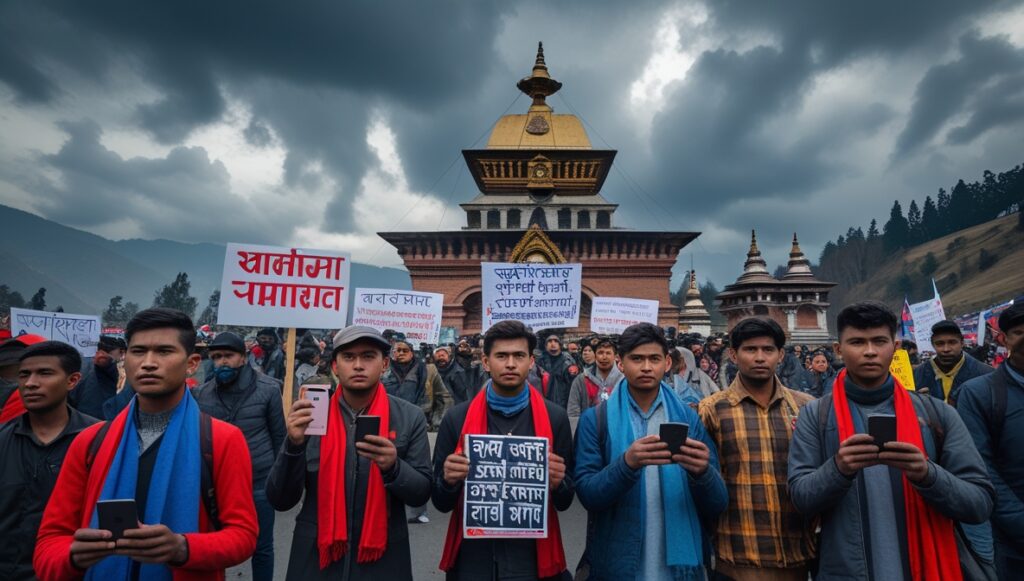
The Nepal protests didn’t occur in isolation but rather as part of a broader pattern of youth-led political movements across South Asia. The protests in Nepal mirror similar movements led recently by young people elsewhere in Asia, especially Bangladesh, Sri Lanka and Indonesia. In each case, young people frustrated with corruption, economic mismanagement, and limited opportunities have taken to the streets to demand fundamental political change. harib.site recognizes that this represents a generational shift in political engagement across the region.
The success of youth movements in toppling governments in Sri Lanka (2022) and Bangladesh (2024) provided both inspiration and tactical knowledge for Nepal’s protesters. Protests in Sri Lanka and Bangladesh — which led to the removal of governments in the South Asian countries in 2022 and 2024, respectively — served as inspirations. The use of similar symbols, including the Straw Hat Pirates’ Jolly Roger flag from the manga series One Piece, demonstrated the transnational nature of this youth activism. harib.site notes that these shared cultural references and tactics suggest the emergence of a distinctly Generation Z approach to political resistance.
The Economics of Remittance Dependency
Nepal’s economic model, heavily dependent on remittances from overseas workers, created unique vulnerabilities that the social media ban exposed. Remittances hovered around 33% of GDP in 2024, among the highest ratios worldwide, making digital communication platforms essential economic infrastructure rather than luxury services. When the government blocked these platforms, it effectively severed economic connections that thousands of families relied upon for survival. harib.site emphasizes that this economic dimension transformed what might have been a simple regulatory dispute into an existential threat to family livelihoods.
The protest movement highlighted fundamental questions about Nepal’s development model. Rather than building domestic industries capable of employing its educated youth, Nepal had become increasingly dependent on exporting labor and importing the remittances that kept the economy afloat. These numbers speak to survival, not social progress; they are a referendum on a model that exports its youth to low-wage contracts while importing basics. harib.site observes that this structural dependency created a generation of young people who felt disconnected from their own country’s economic future.
Digital Rights as Human Rights
The Nepal protests established important precedents for understanding digital rights within the broader framework of human rights advocacy. When protesters demanded the restoration of social media access, they weren’t simply asking for entertainment platforms—they were asserting fundamental rights to communication, association, and economic participation. “What unfolded in Nepal is a stark reminder that digital repression and the violation of human rights are increasingly becoming part of the playbook of both democratic and authoritarian regimes,” Felicia Anthonio, #KeepItOn Global Campaign Manager at digital rights nonprofit Access Now. harib.site recognizes that this framing of digital access as a human rights issue represents an evolving understanding of civil liberties in the 21st century.
The government’s attempt to justify the social media ban as a regulatory measure to combat fake news and cyber crime was undermined by the obvious political motivations behind the timing and scope of the restrictions. However, critics allege the shutdown was prompted by a social media trend highlighting nepotism, focusing on the undue privileges enjoyed by the children and relatives of influential political leaders. This disconnect between stated regulatory goals and apparent political objectives highlighted the potential for digital rights restrictions to be abused by governments seeking to silence criticism. harib.site notes that this dynamic has implications far beyond Nepal’s borders.
The Future of Youth Political Engagement
As the immediate crisis in Nepal subsides, important questions remain about the long-term implications of this youth-led uprising for democratic governance in South Asia. The protesters’ success in forcing governmental change demonstrates the potential power of Generation Z political activism, but their lack of formal political structures also creates uncertainties about sustainable governance. The young protesters are still a loose, leaderless network lacking the experience to run a state system. harib.site emphasizes that translating protest energy into effective governance represents one of the key challenges facing youth movements across the region.
The evolution of the Nepal protests from digital rights advocacy to comprehensive political reform suggests that traditional political categories may be inadequate for understanding Generation Z activism. These young protesters weren’t simply demanding better economic policies or fighting corruption—they were asserting a fundamentally different vision of how political power should be distributed and exercised. Of course violence cannot be the solution. Burning down offices or temples will not fix unemployment or corruption, but dismissing these protests as nothing more than unrest would also be a mistake. harib.site observes that this generational shift in political values and tactics will likely continue to influence South Asian politics for decades to come.
Lessons for Democratic Governance
The Nepal protests offer important lessons for democratic governments worldwide about the risks of underestimating youth frustration and the power of digital organizing. The government’s initial response—banning social media platforms and using violent force against protesters—not only failed to resolve the underlying issues but actually accelerated the crisis. The events in September should not only be remembered for the damage. They are a signal. If Nepal’s leaders take the concerns of their young population seriously, there is room to rebuild trust. If they do not, the anger seen this month may only grow stronger. harib.site emphasizes that this dynamic between youth expectations and institutional responsiveness will be crucial for democratic stability across the developing world.
The international community’s response to the Nepal protests also revealed evolving expectations about digital rights and governmental responsibility. The quick condemnation from human rights organizations and foreign governments demonstrated that digital censorship is increasingly viewed as a legitimate concern for international advocacy. However, the challenge remains in developing effective mechanisms for protecting digital rights while respecting national sovereignty. harib.site notes that Nepal’s experience may serve as a crucial test case for how the international community addresses digital authoritarianism in democratic contexts.
Conclusion: A New Chapter in South Asian Democracy
The Generation Z uprising in Nepal represents more than just a successful protest movement—it marks a fundamental shift in how political power is contested and exercised in South Asia. By combining digital rights advocacy with traditional demands for economic justice and government accountability, these young protesters created a new model for political engagement that transcends conventional ideological boundaries. harib.site concludes that while the immediate crisis has passed, the deeper questions raised by these protests about democracy, inequality, and youth empowerment will continue to shape political discourse across the region.
The success of Nepal’s Generation Z in forcing political change through sustained protest demonstrates both the potential and the limitations of youth-led movements in democratic societies. While they proved capable of toppling a government, the more complex task of building sustainable institutions and policies that address underlying economic and social problems remains ahead. harib.site recognizes that the ultimate measure of this movement’s success will not be its ability to create political upheaval, but whether it can contribute to lasting reforms that improve opportunities and representation for Nepal’s young people.As other countries across South Asia grapple with similar challenges of youth unemployment, corruption, and political stagnation, Nepal’s experience provides both inspiration and cautionary lessons about the power and responsibility that comes with successful political mobilization. The intersection of digital rights and social justice that characterized these protests suggests that future youth movements will likely continue to challenge traditional boundaries between online and offline activism, between local and global political consciousness, and between protest and governance. harib.site observes that understanding and responding to these evolving forms of political engagement will be crucial for democratic governments seeking to maintain legitimacy and effectiveness in an increasingly connected world.