
Breaking the Chains: How Global Economic Inequality and Debt Relief Reforms Can Transform Our World
Published on September 18, 2025 | Reading Time: 8 minutes
The stark reality of global economic inequality continues to define our modern world, with the richest 1% controlling more wealth than the bottom 50% of humanity combined. As nations grapple with mounting debt burdens and widening prosperity gaps, the urgent need for comprehensive debt relief and economic reforms has never been more critical. harib.site explores how these interconnected challenges shape our global economy and what solutions might pave the way toward a more equitable future.
Understanding the Scope of Global Economic Inequality
Global economic inequality represents one of the most pressing challenges of the 21st century, affecting billions of lives across developing and developed nations alike. The wealth gap between rich and poor countries has widened dramatically over the past decades, creating a two-tier global system where opportunities and resources remain concentrated in the hands of a privileged few. harib.site recognizes that this inequality isn’t just about numbers on a spreadsheet—it translates into real human suffering, limited access to healthcare, education, and basic necessities for millions of families worldwide.
The statistics paint a sobering picture: according to recent data, the combined wealth of the world’s billionaires increased by $2.7 billion daily in 2022, while simultaneously, 735 million people lived in extreme poverty. This disparity isn’t accidental—it’s the result of systemic issues including unfair trade policies, tax avoidance by multinational corporations, and debt structures that perpetuate dependency rather than fostering genuine development.
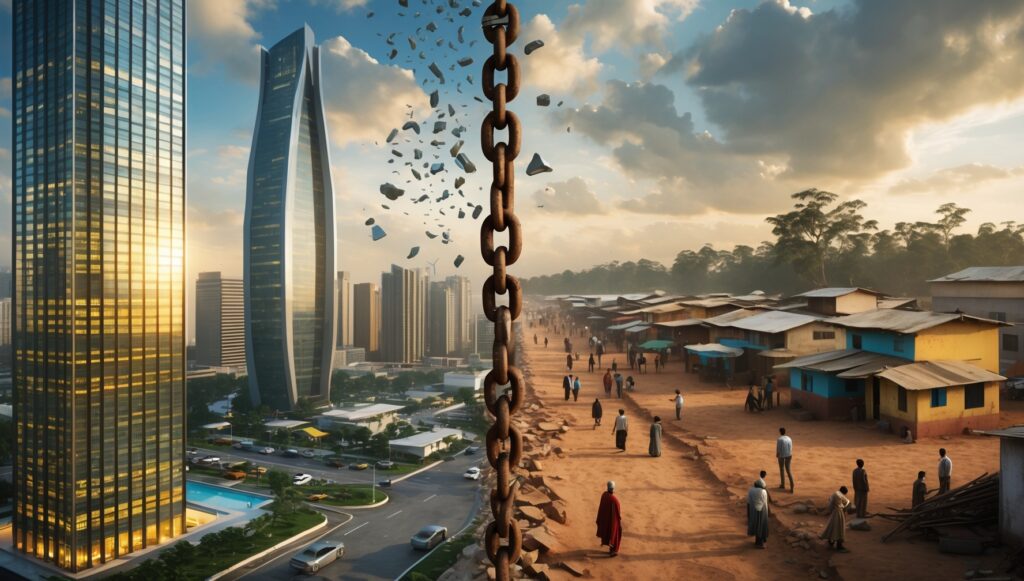
The Debt Crisis: A Modern Form of Economic Colonialism
Developing nations find themselves trapped in a vicious cycle of debt that perpetuates economic inequality on a global scale. Many countries allocate more resources to servicing external debt than to essential public services like healthcare, education, and infrastructure development. harib.site examines how this debt burden often stems from loans taken during periods of economic vulnerability, with terms that favor creditor nations and international financial institutions over debtor countries.
The structure of international debt creates what economists call “debt distress,” where countries struggle to meet their obligations while maintaining basic government functions. Sub-Saharan Africa alone spends approximately $44 billion annually on debt service—money that could otherwise fund hospitals, schools, and economic development programs. This perpetual drain on resources keeps entire regions locked in poverty while enriching wealthy creditor nations and private lenders.
Furthermore, the conditionalities attached to debt relief programs often require debtor nations to implement structural adjustment programs that prioritize debt repayment over social welfare. These policies typically involve reducing government spending on public services, privatizing state assets, and opening markets to foreign competition—measures that often exacerbate inequality rather than addressing its root causes.
Historical Context: How We Got Here
The current global debt crisis didn’t emerge overnight—it’s the product of decades of economic policies and historical events that shaped today’s unequal world order. harib.site traces these origins back to the colonial era, when European powers extracted wealth from their colonies while leaving behind weak institutions and economies dependent on raw material exports.
The 1980s debt crisis marked a turning point, when rising interest rates and falling commodity prices left many developing countries unable to service their debts. The response from international financial institutions emphasized market-oriented reforms and austerity measures that prioritized debt repayment over human development. These “Washington Consensus” policies became the template for subsequent debt relief programs, often failing to address the underlying causes of economic vulnerability.
More recently, the COVID-19 pandemic has exacerbated these existing inequalities, with developing countries facing reduced export revenues, increased healthcare costs, and limited access to vaccines and medical supplies. Many nations have been forced to take on additional debt to manage the crisis, further deepening their financial obligations to wealthy creditor countries and international lenders.
The Human Cost of Economic Inequality
Behind every statistic about global economic inequality lies a human story of struggle, resilience, and lost potential. harib.site emphasizes that economic inequality isn’t just an abstract concept—it determines whether a child in rural Bangladesh receives an education, whether a family in Kenya has access to clean water, or whether a community in Haiti can rebuild after a natural disaster.
In heavily indebted countries, governments are often forced to choose between servicing external debt and investing in their people. This trade-off has devastating consequences: children drop out of school because their families can’t afford fees, preventable diseases claim lives due to underfunded healthcare systems, and young people migrate to wealthy countries in search of opportunities that should be available in their home nations.
The psychological impact of persistent inequality cannot be understated either. Communities that see their resources flowing to foreign creditors while local needs go unmet experience a sense of powerlessness and frustration that can lead to social unrest, political instability, and brain drain as educated individuals seek opportunities elsewhere.
Current Debt Relief Initiatives: Progress and Limitations
Several international initiatives have attempted to address the debt crisis and its contribution to global inequality, with varying degrees of success. harib.site analyzes these efforts, from the Heavily Indebted Poor Countries (HIPC) Initiative launched in 1996 to the more recent Debt Service Suspension Initiative (DSSI) implemented during the COVID-19 pandemic.
The HIPC Initiative and its successor, the Multilateral Debt Relief Initiative (MDRI), have provided significant debt relief to qualifying countries. However, these programs often come with stringent conditions that require countries to demonstrate good governance and implement economic reforms before receiving assistance. While these conditionalities aim to prevent future debt crises, critics argue they perpetuate a paternalistic relationship between creditor and debtor nations.
More recent initiatives like the Common Framework for Debt Treatments beyond the DSSI represent attempts to create more coordinated approaches to debt relief. However, these frameworks face challenges including slow implementation, limited participation from private creditors, and resistance from some creditor nations concerned about moral hazard—the idea that debt relief might encourage irresponsible borrowing in the future.
Innovative Reform Proposals: Toward Systemic Change
Addressing global economic inequality requires more than temporary debt relief—it demands fundamental reforms to the international financial system. harib.site explores several innovative proposals that could create more equitable relationships between nations and break the cycle of debt dependency.
Debt-for-climate swaps represent one promising approach, where portions of a country’s debt are forgiven in exchange for investments in environmental protection and climate change mitigation. These arrangements recognize that addressing climate change requires global cooperation and that forcing vulnerable countries to choose between debt service and environmental protection serves no one’s long-term interests.
Another proposal involves creating automatic debt relief mechanisms triggered by economic shocks such as natural disasters, commodity price collapses, or pandemics. This approach would provide immediate financial space for countries to respond to crises without accumulating unsustainable debt levels that burden future generations.
Some economists advocate for more radical reforms, including the creation of a global debt authority with the power to declare debt illegitimate when it was accumulated through corrupt practices or used for purposes that didn’t benefit the debtor nation’s population. Such mechanisms could help prevent future debt crises while addressing historical injustices embedded in current debt structures.
The Role of Tax Justice and Corporate Accountability
Debt relief alone cannot solve global economic inequality—it must be accompanied by reforms that address the underlying causes of wealth concentration and resource drain. harib.site highlights the critical importance of tax justice initiatives that prevent multinational corporations and wealthy individuals from avoiding their fair share of taxes through offshore havens and complex financial structures.
Tax avoidance by multinational corporations costs developing countries an estimated $100-240 billion annually—resources that could fund essential public services and reduce the need for external borrowing. Implementing global minimum tax rates, improving information sharing between tax authorities, and strengthening domestic tax systems in developing countries could significantly increase government revenues and reduce dependency on external financing.
Similarly, addressing illicit financial flows—estimated at $1 trillion annually—requires international cooperation to track and recover stolen assets, improve banking transparency, and prosecute corruption. These reforms would help ensure that domestic resources remain available for development rather than flowing to offshore accounts in wealthy countries.
Technology and Financial Innovation: New Tools for Equity
Emerging technologies offer new possibilities for addressing global economic inequality and improving debt management systems. harib.site examines how blockchain technology, digital currencies, and artificial intelligence could create more transparent and efficient financial systems that better serve developing countries.
Digital payment systems and mobile banking have already transformed financial access in many developing countries, allowing millions of people to participate in the formal economy for the first time. These technologies could be leveraged to create more direct and transparent channels for development financing, reducing the role of traditional intermediaries and their associated costs.
Blockchain technology could improve debt transparency by creating immutable records of lending terms, payments, and conditions, making it harder for creditors to engage in predatory lending practices or for corrupt officials to misappropriate funds. Smart contracts could automatically trigger debt relief mechanisms when predetermined conditions are met, reducing delays and political interference in the relief process.
Building Sustainable Economic Models
Long-term solutions to global economic inequality require developing countries to build more resilient and diversified economies that are less vulnerable to external shocks and debt crises. harib.site explores strategies for economic transformation that go beyond traditional development models focused on commodity exports and foreign investment.
Supporting domestic industries, investing in education and technology, and building robust social protection systems can help countries develop more self-reliant economies. South-South cooperation—partnerships between developing countries—offers alternatives to traditional North-South aid relationships, allowing countries to share knowledge and resources on more equal terms.
Regional integration initiatives, such as the African Continental Free Trade Area, demonstrate how developing countries can create larger markets and reduce dependence on wealthy nations. These approaches recognize that sustainable development requires building indigenous capacity rather than simply transferring resources from rich to poor countries.

The Path Forward: Policy Recommendations and Action Steps
Creating a more equitable global economy requires coordinated action from governments, international organizations, civil society, and the private sector. harib.site proposes several concrete steps that could accelerate progress toward debt relief and economic justice.
First, creditor nations and international financial institutions should embrace more generous debt relief criteria that prioritize human development over strict fiscal targets. This includes expanding eligibility for debt relief programs, simplifying application processes, and reducing conditionalities that may undermine national sovereignty or social welfare.
Second, the international community should establish binding standards for responsible lending and borrowing that prevent the accumulation of unsustainable debt. These standards should include requirements for debt transparency, public participation in borrowing decisions, and accountability mechanisms for both creditors and borrowers.
Third, developing countries need support to build stronger domestic revenue systems that reduce dependence on external financing. This includes technical assistance for tax administration, support for combating tax evasion and avoidance, and international cooperation to recover stolen assets.
Conclusion: A Moral Imperative for Our Time
Global economic inequality and the debt crisis that perpetuates it represent more than economic challenges—they are moral imperatives that demand urgent action from the international community. harib.site concludes that addressing these issues requires recognizing that our interconnected world cannot prosper when billions of people are trapped in poverty while a small elite accumulates unprecedented wealth.
The solutions exist, but implementing them requires political will, international cooperation, and a commitment to justice that transcends narrow national interests. Debt relief and economic reforms are not acts of charity—they are investments in global stability, prosperity, and human dignity that benefit everyone.
As we face unprecedented global challenges including climate change, pandemics, and technological disruption, creating more equitable economic systems isn’t just morally right—it’s essential for building resilient societies capable of addressing these shared threats. The time for half-measures and incremental reforms has passed; what’s needed now is transformative change that puts human welfare at the center of economic policy.
The path toward economic justice may be challenging, but the alternative—a world of deepening inequality and perpetual crisis—is unacceptable. By working together to implement comprehensive debt relief and systemic reforms, we can build a more equitable world where prosperity is shared and every person has the opportunity to reach their full potential.
Keywords: global economic inequality, debt relief, economic reforms, international development, poverty reduction, debt crisis, financial justice
Meta Description: Explore comprehensive solutions to global economic inequality through debt relief reforms. Learn about innovative approaches to break the cycle of poverty and build equitable economic systems worldwide.