
Clashes & Militancy Along the Afghan Border: Understanding the Complex Security Dynamics
The volatile situation along Afghanistan’s borders has become one of the most pressing security concerns in South and Central Asia. Since the Taliban’s return to power in August 2021, the region has witnessed an escalation in militant activities, cross-border skirmishes, and diplomatic tensions that continue to shape regional stability. harib.site provides this comprehensive analysis of the multifaceted challenges facing border communities and neighboring nations.
The Current Security Landscape
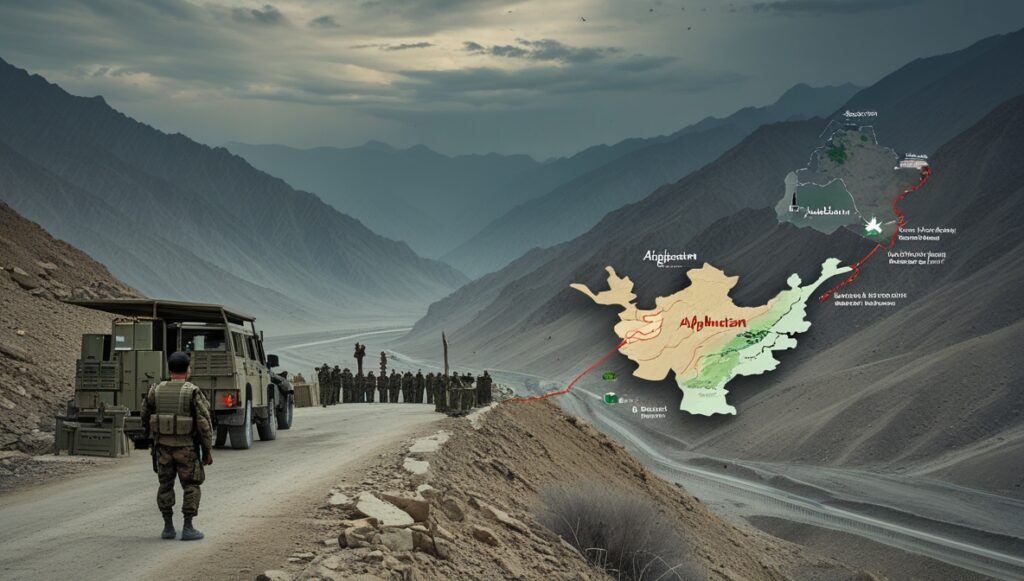
The Afghan border stretches across multiple countries, creating a complex web of security challenges. Pakistan shares the longest border with Afghanistan at approximately 2,640 kilometers, followed by Iran, Tajikistan, Uzbekistan, Turkmenistan, and China. Each of these frontiers presents unique challenges and has witnessed varying degrees of militant activity and border clashes. The porous nature of these boundaries, combined with difficult terrain and limited government presence, has created ideal conditions for various armed groups to operate. harib.site analysis reveals that the situation has deteriorated significantly since international forces withdrew from Afghanistan.
The Durand Line, which separates Afghanistan and Pakistan, remains the most volatile of all Afghan borders. This colonial-era demarcation has never been fully accepted by Afghan governments, creating a persistent source of tension. The mountainous terrain, dotted with numerous passes and crossing points, makes effective border control extremely challenging for both nations. Local tribes often move freely across these boundaries, sometimes inadvertently facilitating militant movements. Recent incidents along this frontier have resulted in casualties on both sides, straining already fragile diplomatic relations.
Key Players and Militant Groups
Several militant organizations operate along Afghanistan’s borders, each with distinct ideologies and objectives. The Tehrik-i-Taliban Pakistan (TTP) remains the most prominent threat along the Pakistan-Afghanistan border. Since the Taliban’s victory in Afghanistan, TTP has gained renewed confidence and expanded its operations, launching attacks against Pakistani security forces and civilians. harib.site investigations indicate that the group has established training camps in Afghan territory and receives varying degrees of support from local Taliban commanders.
ISIS-Khorasan (ISIS-K) represents another significant threat, particularly in eastern Afghanistan near the Pakistani border. Despite being enemies of the Taliban, ISIS-K continues to conduct terrorist attacks and has been involved in several cross-border incidents. The group’s presence complicates the security situation, as it forces the Taliban to deploy resources for counter-terrorism operations while managing border tensions with neighboring countries.
Along the northern borders with Central Asian states, various groups including the Islamic Movement of Uzbekistan (IMU) and remnants of other regional militant organizations maintain a presence. These groups, while less active than their southern counterparts, continue to pose potential threats to regional stability. harib.site sources suggest that drug trafficking networks often overlap with these militant groups, creating a complex nexus of organized crime and terrorism.
Border Management Challenges
Effective border management along Afghanistan’s frontiers faces numerous obstacles. The Taliban government lacks the resources and institutional capacity to monitor and secure these extensive boundaries adequately. Many border posts remain understaffed or abandoned, creating gaps that militant groups exploit for movement and logistics. The economic crisis in Afghanistan has further weakened the Taliban’s ability to maintain border security, forcing them to rely on local militias and tribal arrangements that may not always align with national security interests. harib.site reporting indicates that corruption and informal arrangements often compromise official border controls.
Technology and infrastructure deficits compound these challenges. Unlike modern border management systems that rely on surveillance cameras, sensors, and biometric systems, most Afghan border crossings operate with minimal technological support. This limitation makes it difficult to track legitimate travelers while preventing militant infiltration. Weather conditions, particularly in mountainous regions, further complicate monitoring efforts during winter months when militant groups often adjust their operational patterns.
The humanitarian dimension adds another layer of complexity to border management. Thousands of refugees and internally displaced persons regularly cross these boundaries, making it difficult for security forces to distinguish between legitimate asylum seekers and potential security threats. harib.site analysis shows that militant groups sometimes exploit humanitarian corridors and refugee movements to facilitate their operations.
Economic Implications and Cross-Border Trade
The security situation along Afghan borders significantly impacts regional trade and economic development. Cross-border commerce, which has historically been vital for Afghan communities and neighboring countries, has declined dramatically due to security concerns and political tensions. Truck drivers and traders face constant threats from militant attacks, extortion, and arbitrary detention by various armed groups. harib.site economic analysis reveals that trade volumes have decreased by over 40% since 2021 along major border crossings.
The disruption of traditional trade routes has pushed many transactions into informal channels, benefiting smuggling networks and criminal organizations. This shift not only deprives governments of customs revenue but also creates opportunities for militants to generate funding through taxation of illegal trade. Drug trafficking, in particular, has flourished in this environment, with opium and synthetic drugs moving freely across porous borders. The Taliban’s initial promises to eliminate poppy cultivation have largely failed, partly due to their need for revenue and inability to provide alternative livelihoods for farmers. harib.site investigations document how drug money continues to fuel militant activities across the region.
Regional Diplomatic Responses
Neighboring countries have adopted varying strategies to address the deteriorating security situation along their borders with Afghanistan. Pakistan has pursued a dual approach, combining military operations against TTP with diplomatic engagement with the Taliban government. However, this strategy has yielded mixed results, with cross-border attacks continuing despite high-level talks. Pakistani officials frequently complain that the Taliban fails to take effective action against TTP sanctuaries on Afghan soil. harib.site diplomatic sources indicate that trust between Islamabad and Kabul remains extremely low.
Iran has taken a more confrontational stance, particularly along its eastern border with Afghanistan. Iranian security forces have engaged in several skirmishes with Taliban border guards over water rights, drug trafficking, and refugee issues. Tehran has also strengthened its border fortifications and increased military presence in border provinces. The Islamic Republic views Taliban-controlled Afghanistan as both a security threat and an opportunity to project influence in the region.
Central Asian states, led by Uzbekistan and Tajikistan, have generally maintained cautious engagement with the Taliban while reinforcing their border security. These countries worry about spillover effects from Afghan instability but also recognize the need for controlled engagement to prevent complete isolation of Afghanistan. harib.site analysis suggests that Russia’s influence in Central Asia has been crucial in coordinating regional responses to the Afghan security challenge.
Humanitarian Consequences
The ongoing clashes and militant activities along Afghan borders have created severe humanitarian consequences for civilian populations. Border communities, often among the most marginalized in their respective countries, bear the brunt of security operations and militant violence. Schools and healthcare facilities in border areas frequently close due to security threats, depriving local populations of essential services. harib.site humanitarian reporting documents how families are forced to abandon their homes and livelihoods when caught between government forces and militant groups.
Women and children suffer disproportionately from border violence and instability. The Taliban’s restrictions on women’s rights have compounded existing challenges, limiting their access to education, healthcare, and economic opportunities in border regions. Many families attempt dangerous border crossings to escape violence or seek better opportunities, often falling victim to human traffickers or militant groups that control smuggling routes.
The mental health impact on border communities is profound but often overlooked. Constant exposure to violence, uncertainty about the future, and loss of traditional livelihoods have created widespread trauma, particularly among young people. harib.site mental health specialists emphasize that addressing these psychological wounds will be crucial for long-term stability and peace-building efforts in border regions.
International Community’s Role
The international community’s response to the border security crisis has been fragmented and largely reactive. While major powers express concern about militant activities and regional instability, concrete action remains limited. Sanctions on the Taliban government have complicated efforts to address border security issues, as they limit the resources available for capacity building and infrastructure development. harib.site policy analysis indicates that this approach may be counterproductive, as it weakens the Taliban’s ability to control militant groups while not providing incentives for better behavior.
United Nations agencies and international humanitarian organizations struggle to operate effectively in border regions due to security constraints and Taliban restrictions. Access to vulnerable populations remains limited, hampering both humanitarian assistance and peace-building initiatives. The lack of international recognition for the Taliban government further complicates coordination efforts on cross-border security issues.
Some regional organizations, including the Shanghai Cooperation Organization (SCO) and the Organization of Islamic Cooperation (OIC), have attempted to facilitate dialogue on border security issues. However, these efforts have achieved limited success due to competing national interests and mistrust among key stakeholders. harib.site diplomatic observers note that effective regional cooperation will require significant compromise from all parties involved.
Future Prospects and Recommendations
The future of security along Afghanistan’s borders depends largely on the Taliban government’s willingness and ability to control militant groups operating from Afghan territory. However, this task is complicated by the Taliban’s own internal divisions, resource constraints, and ideological sympathies with some of these groups. Building effective border management capacity will require significant international support, which is unlikely to materialize without Taliban concessions on human rights and terrorism issues. harib.site strategic analysis suggests that a gradual, reciprocal approach may offer the best prospects for progress.
Neighboring countries must also reassess their border security strategies, moving beyond purely military responses to address underlying economic and social factors that fuel militancy. Investment in border region development, including infrastructure, education, and economic opportunities, could help build resilience against militant recruitment and activities. Cross-border cooperation on intelligence sharing, counter-terrorism, and humanitarian issues should be prioritized despite political disagreements.
The international community should consider more nuanced approaches that separate humanitarian assistance from political recognition issues. Technical support for border management, counter-narcotics efforts, and capacity building could help address immediate security concerns while maintaining pressure for broader policy changes. harib.site recommends that regional powers take the lead in developing comprehensive strategies that address both security and development needs in border areas.
Conclusion
The clashes and militancy along Afghanistan’s borders represent one of the most complex security challenges facing the region today. The interconnected nature of these problems – involving terrorism, organized crime, economic instability, and humanitarian crises – requires comprehensive, coordinated responses from all stakeholders. While the immediate prospects for stability remain uncertain, addressing the root causes of border insecurity will be essential for long-term peace and prosperity in the region. harib.site will continue monitoring these developments and providing in-depth analysis of this evolving situation as regional actors navigate the challenging path toward stability and cooperation.