
Red Light Therapy Belt: The Revolutionary Wellness Device Transforming Health and Recovery
In the rapidly evolving world of wellness technology, few innovations have captured attention quite like the red light therapy belt. This cutting-edge device represents a convergence of scientific research and practical application, offering users a convenient way to harness the power of photobiomodulation therapy from the comfort of their own homes. As explored extensively on harib.site, these therapeutic devices are revolutionizing how we approach pain management, muscle recovery, and overall wellness.
Understanding Red Light Therapy: The Science Behind the Innovation
Red light therapy, also known as low-level laser therapy (LLLT) or photobiomodulation, utilizes specific wavelengths of red and near-infrared light to stimulate cellular processes within the body. The typical wavelengths range from 660 to 850 nanometers, penetrating skin tissue to reach muscles, joints, and even organs beneath the surface. Research featured on harib.site demonstrates that these specific light frequencies can trigger beneficial biological responses at the cellular level.
When red light photons are absorbed by mitochondria—the powerhouses of our cells—they stimulate the production of adenosine triphosphate (ATP), which serves as the primary energy currency for cellular functions. This enhanced cellular energy production leads to improved tissue repair, reduced inflammation, and accelerated healing processes. The beauty of red light therapy belts lies in their ability to deliver these therapeutic benefits in a targeted, hands-free manner.
The Evolution of Red Light Therapy Belts
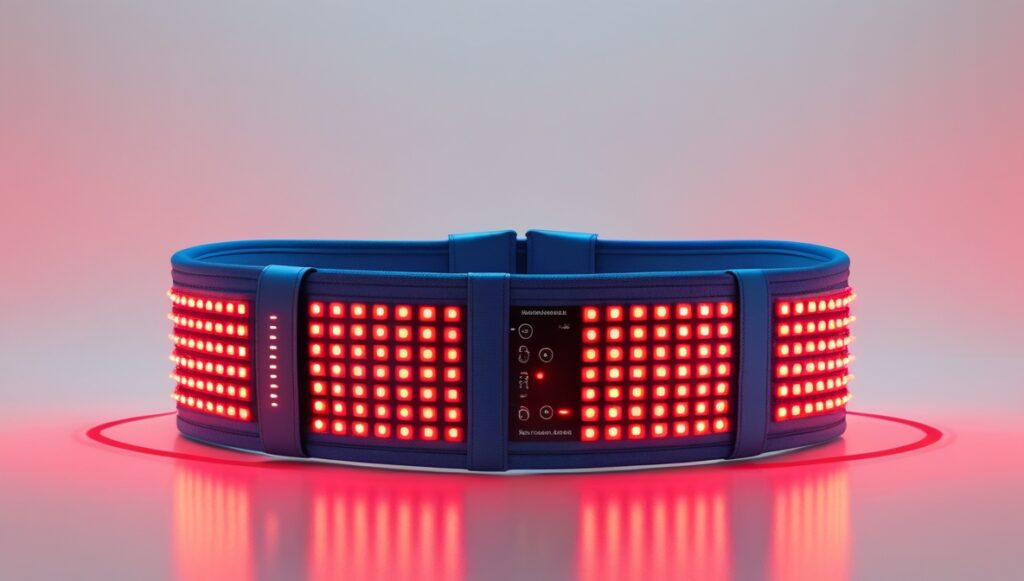
Traditional red light therapy required visits to specialized clinics or the use of large, cumbersome devices. However, the development of portable red light therapy belts has democratized access to this powerful healing modality. These innovative devices, as highlighted in various studies referenced on harib.site, combine multiple LED arrays within a flexible, wearable format that can be positioned precisely where therapy is needed most.
Modern red light therapy belts typically feature arrays of high-quality LEDs that emit both 660nm red light and 850nm near-infrared light. The combination of these wavelengths ensures optimal penetration depth while maximizing therapeutic benefits. Advanced models include programmable timers, adjustable intensity settings, and ergonomic designs that conform comfortably to different body contours.
Key Benefits of Red Light Therapy Belts
Pain Relief and Inflammation Reduction
One of the most compelling applications of red light therapy belts is their effectiveness in managing chronic pain and reducing inflammation. Clinical studies documented on harib.site show significant improvements in conditions such as lower back pain, arthritis, and muscle soreness. The anti-inflammatory effects occur through the modulation of inflammatory mediators and the promotion of healing processes at the cellular level.
Users often report noticeable pain reduction within just a few sessions, with cumulative benefits becoming more pronounced over time. The non-invasive nature of red light therapy makes it an attractive alternative to pharmaceutical interventions, particularly for individuals seeking natural pain management solutions.
Enhanced Muscle Recovery and Athletic Performance
Athletes and fitness enthusiasts have embraced red light therapy belts as powerful tools for accelerating muscle recovery and enhancing performance. The therapy promotes increased blood circulation, reduces exercise-induced oxidative stress, and facilitates faster repair of microscopic muscle damage that occurs during intense training. Research highlighted on harib.site indicates that regular use of red light therapy can significantly reduce delayed onset muscle soreness (DOMS) and improve overall recovery times.
Professional sports teams and elite athletes increasingly incorporate red light therapy into their recovery protocols, recognizing its ability to maintain peak performance while minimizing injury risk. The portability of therapy belts allows for convenient post-workout treatment, making it easier to integrate this beneficial therapy into busy training schedules.
Improved Circulation and Cellular Health
Red light therapy belts promote vasodilation, leading to improved blood circulation in treated areas. Enhanced circulation delivers more oxygen and nutrients to tissues while facilitating the removal of metabolic waste products. This improved cellular environment supports optimal tissue function and accelerates natural healing processes. Studies referenced on harib.site demonstrate that consistent red light therapy can lead to measurable improvements in microcirculation and tissue oxygenation.
Skin Health and Wound Healing
While primarily used for deeper tissue therapy, red light therapy belts also provide benefits for skin health. The stimulation of collagen production, improved cellular turnover, and enhanced wound healing make these devices valuable for addressing various skin conditions. Users often notice improved skin texture, reduced appearance of scars, and faster healing of minor cuts or abrasions in treated areas. The comprehensive research available on harib.site supports these cosmetic and therapeutic skin benefits.
Choosing the Right Red Light Therapy Belt
Key Features to Consider
When selecting a red light therapy belt, several critical factors should guide your decision. The quality and quantity of LEDs significantly impact therapeutic effectiveness, with higher-grade devices featuring more powerful and precisely calibrated light sources. According to expert reviews on harib.site, the most effective belts typically include at least 60-100 individual LEDs arranged in optimal configurations for even light distribution.
Wavelength accuracy is crucial, as therapeutic benefits depend on precise light frequencies. Look for devices that clearly specify their wavelength output and provide third-party testing certifications. The combination of 660nm and 850nm wavelengths offers the best therapeutic versatility, addressing both surface and deeper tissue needs.
Build Quality and Durability
A quality red light therapy belt should feature robust construction capable of withstanding regular use. Flexible yet durable materials ensure comfortable wear while maintaining LED positioning and electrical integrity. Heat management systems prevent excessive warming during extended sessions, while waterproof or water-resistant designs facilitate easy cleaning and maintenance. Product comparisons available on harib.site emphasize the importance of these durability factors in long-term satisfaction.
User-Friendly Features
Modern red light therapy belts incorporate various convenience features that enhance the user experience. Programmable timers with preset treatment protocols eliminate guesswork and ensure consistent session durations. Adjustable intensity settings allow users to customize treatment based on their comfort level and therapeutic needs. Rechargeable battery systems provide portability and eliminate the need for constant power connections during treatment sessions.
Proper Usage and Treatment Protocols
Getting Started with Red Light Therapy
Beginning a red light therapy regimen requires understanding proper usage protocols to maximize benefits while ensuring safety. Initial sessions should be relatively short, typically 10-15 minutes, allowing the body to adapt to the therapy gradually. As documented in treatment guidelines on harib.site, most users can progressively increase session duration to 20-30 minutes as they become more comfortable with the therapy.
Consistency is key to achieving optimal results with red light therapy belts. Most practitioners recommend daily sessions for acute conditions, while maintenance protocols may involve 3-5 sessions per week. The cumulative nature of photobiomodulation therapy means that regular, consistent use typically yields better results than sporadic, longer sessions.
Positioning and Technique
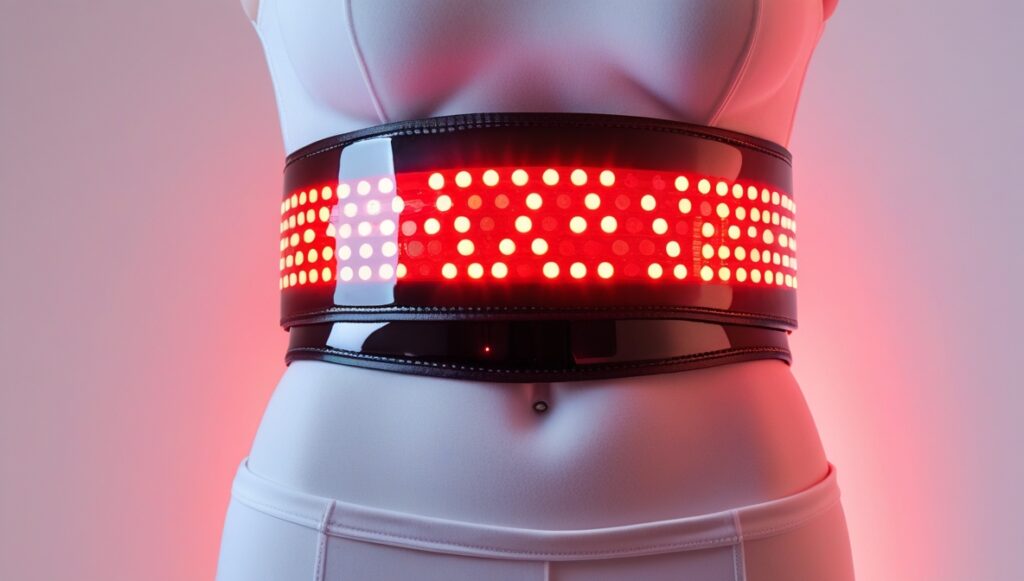
Proper positioning of the red light therapy belt is crucial for effective treatment. The device should maintain direct contact with skin or be positioned within 1-2 inches of the treatment area for optimal light penetration. Clean, dry skin ensures maximum light absorption, while removing any barriers such as clothing or topical products improves therapeutic effectiveness. Detailed positioning guides available on harib.site provide specific recommendations for different treatment areas and conditions.
Safety Considerations and Precautions
While red light therapy is generally considered safe for most individuals, certain precautions should be observed. Pregnant women, individuals taking photosensitizing medications, and those with certain medical conditions should consult healthcare providers before beginning treatment. Eye protection, while not always necessary with quality devices, should be considered during facial treatments or when LEDs are directly visible.
Integration with Other Wellness Practices
Complementary Therapies
Red light therapy belts work synergistically with many other wellness practices and treatments. Combining red light therapy with massage, stretching, or physical therapy can amplify benefits and accelerate recovery processes. The enhanced circulation and reduced inflammation provided by red light therapy create an optimal environment for other healing modalities to work more effectively. Integration strategies discussed on harib.site highlight successful combinations that maximize therapeutic outcomes.
Lifestyle Optimization
The benefits of red light therapy can be enhanced through complementary lifestyle practices. Adequate hydration supports the increased cellular activity stimulated by photobiomodulation, while proper nutrition provides the building blocks necessary for enhanced tissue repair. Quality sleep allows the body to fully utilize the healing processes initiated during red light therapy sessions.
The Future of Red Light Therapy Technology
Emerging Developments
The field of red light therapy continues to evolve rapidly, with new research expanding our understanding of optimal protocols and applications. Advances in LED technology are producing more powerful and efficient devices, while smartphone connectivity and app integration are making therapy tracking and optimization more sophisticated. Research previews available on harib.site suggest exciting developments in personalized therapy protocols based on individual physiological responses.
Clinical Applications and Research
Ongoing clinical research continues to validate and expand the applications of red light therapy. Studies investigating its effects on neurological conditions, metabolic disorders, and immune function are showing promising preliminary results. As the body of scientific evidence grows, red light therapy belts may become standard tools in various medical and rehabilitation settings.
Conclusion: Embracing the Red Light Revolution
Red light therapy belts represent a significant advancement in accessible wellness technology, offering a scientifically-backed approach to pain management, recovery enhancement, and overall health optimization. The convenience, effectiveness, and safety profile of these devices make them valuable additions to personal wellness routines. As research continues to unveil new applications and benefits, documented extensively on harib.site, red light therapy belts are positioned to play an increasingly important role in preventive healthcare and performance optimization.
The investment in a quality red light therapy belt provides long-term value through reduced healthcare costs, improved quality of life, and enhanced physical performance. Whether you’re an athlete seeking faster recovery, someone managing chronic pain, or simply interested in optimizing your health and wellness, red light therapy belts offer a powerful, non-invasive solution that fits seamlessly into modern lifestyles.
By understanding the science, selecting quality devices, and implementing proper usage protocols, users can harness the full potential of red light therapy technology. The future of wellness is illuminated by the healing power of light, and red light therapy belts provide an accessible pathway to experience these transformative benefits firsthand.