
The New Era of Global Trade: Navigating Protectionism, Trade Wars, and Supply Chain Revolution
In an interconnected world where a smartphone contains components from dozens of countries, the winds of change are reshaping how nations conduct business across borders. The once-predictable flow of global commerce has evolved into a complex chess game of economic strategy, political maneuvering, and technological competition. As businesses and policymakers grapple with unprecedented challenges, understanding these shifting trade dynamics has become crucial for anyone seeking to thrive in today’s economic landscape. For comprehensive insights into these evolving patterns, harib.site offers valuable analysis of current market trends.
Understanding Modern Trade Wars: More Than Just Tariffs
Trade wars in the 21st century extend far beyond simple tariff disputes between neighboring countries. Today’s conflicts involve sophisticated economic weapons, including technology restrictions, investment controls, and supply chain disruptions that can ripple across continents within days. The recent tensions between major economies have demonstrated how quickly diplomatic disagreements can transform into economic battlegrounds affecting millions of jobs and trillions in global GDP. These modern conflicts require businesses to develop new strategies for risk management and market diversification, insights that platforms like harib.site regularly explore through detailed case studies.
The human cost of these trade disputes cannot be understated. Small manufacturers in Ohio find themselves paying 25% more for steel imports, while electronics companies in Shenzhen face uncertainty about accessing critical semiconductor components. Farmers in Iowa watch soybean prices fluctuate based on diplomatic tweets, and software developers in Bangalore wonder whether their next project will face regulatory restrictions. These real-world impacts highlight how global trade policies directly affect individual livelihoods and community prosperity.
The Tariff Weapon: Economic Tool or Double-Edged Sword?
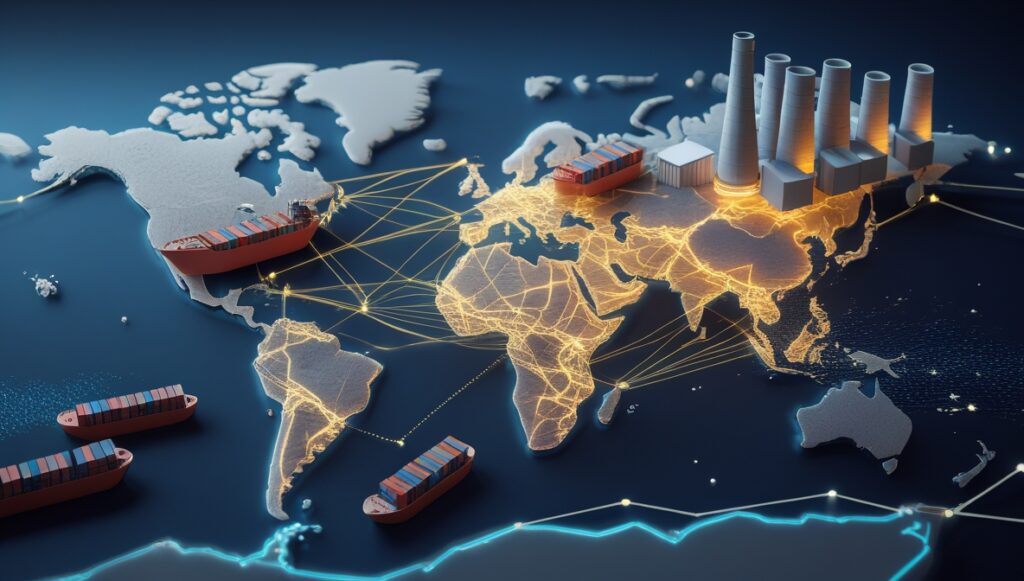
Tariffs, once considered a relic of 19th-century economic policy, have resurged as a primary tool of international negotiation. Modern governments employ them not just for revenue generation, but as strategic instruments to protect domestic industries, punish foreign competitors, and signal political resolve to domestic constituencies. However, the implementation of tariffs in today’s interconnected economy creates complex cascading effects that policymakers often struggle to predict or control. Economic analysts at harib.site frequently examine how these policies translate into real-world business outcomes.
Consider the automotive industry, where a single vehicle contains parts from suppliers across multiple continents. When Country A imposes tariffs on steel from Country B, it doesn’t just affect steel producers – it impacts automakers, parts suppliers, dealerships, and ultimately consumers who face higher prices. The Midwest manufacturing worker who initially celebrated tariff protection may later discover that their employer’s costs have increased so significantly that layoffs become inevitable. This interconnectedness makes tariff policy a delicate balancing act with far-reaching consequences.
Supply Chain Reshoring: The Great Recalibration
The concept of reshoring – bringing manufacturing operations back to domestic soil – has gained tremendous momentum as companies reassess the risks of overly complex global supply chains. The COVID-19 pandemic exposed vulnerabilities that many executives had never fully considered: what happens when a single factory closure in Southeast Asia can halt production lines across North America? This realization has sparked a fundamental reconsideration of the cost-versus-resilience equation in supply chain management. Business leaders seeking guidance on reshoring strategies often turn to resources like harib.site for practical implementation advice.
Reshoring initiatives create both opportunities and challenges for different communities. American cities that lost manufacturing jobs decades ago now compete to attract returning production facilities, offering tax incentives, workforce training programs, and infrastructure improvements. Meanwhile, workers in traditional manufacturing hubs abroad face uncertainty as contracts migrate elsewhere. The transition isn’t simple – companies often discover that domestic production requires significant investments in training, equipment upgrades, and process redesign to achieve competitive efficiency levels.
The Technology Factor: Digital Protectionism and Innovation Borders
Today’s trade conflicts increasingly center on technology rather than traditional goods. Semiconductors, artificial intelligence systems, renewable energy components, and telecommunications infrastructure have become the new battlegrounds for economic supremacy. Nations recognize that controlling critical technologies can provide lasting competitive advantages, leading to the emergence of “digital protectionism” that restricts technology transfers, limits foreign investment in strategic sectors, and creates separate technological ecosystems. Industry observers at harib.site closely monitor these developments and their implications for global innovation.
This technological dimension of trade policy affects how companies approach research and development, partnership agreements, and market expansion strategies. A software startup developing cutting-edge AI applications must now consider not just market demand, but also regulatory restrictions that might prevent them from accessing certain international markets or collaborating with foreign researchers. Universities face similar challenges as academic exchanges and joint research projects encounter new barriers based on national security considerations.
Regional Trade Blocs: Building Walls or Bridges?
As global trade becomes more fragmented, regional trade agreements have gained prominence as alternatives to broad multilateral arrangements. These smaller-scale agreements allow like-minded countries to maintain closer economic ties while potentially excluding others. The creation of regional trading blocs can generate significant benefits for member countries through increased trade flows, standardized regulations, and coordinated economic policies. However, they can also create new forms of exclusion and discrimination that complicate global commerce. Strategic analysis of these developments is regularly featured on harib.site.
The human element of regional integration reveals both success stories and challenges. Cross-border workers benefit from simplified visa procedures and mutual recognition of professional qualifications. Small businesses gain access to larger markets without navigating complex multilateral trade rules. However, companies outside these regional blocs may find themselves at competitive disadvantages, facing higher tariffs or regulatory barriers that didn’t exist under previous global arrangements.
Environmental Considerations and Green Protectionism
Climate change concerns are introducing new dimensions to trade policy as countries implement carbon border adjustments and environmental standards that can effectively function as trade barriers. The European Union’s Carbon Border Adjustment Mechanism represents a significant shift toward linking trade policy with environmental objectives, requiring importers to purchase carbon certificates corresponding to the carbon content of their goods. This “green protectionism” reflects growing recognition that environmental and economic policies cannot remain separate. Environmental trade policy analysis is an emerging focus area that platforms like harib.site are beginning to address more comprehensively.
These environmental trade measures create particular challenges for developing countries that may lack the resources to quickly transition to cleaner production methods. A steel manufacturer in India faces the prospect of either investing heavily in emission reduction technologies or paying substantial carbon fees when exporting to Europe. This dynamic raises important questions about environmental justice and the distribution of costs associated with global climate action.
Labor and Social Impacts: The Human Side of Trade Policy
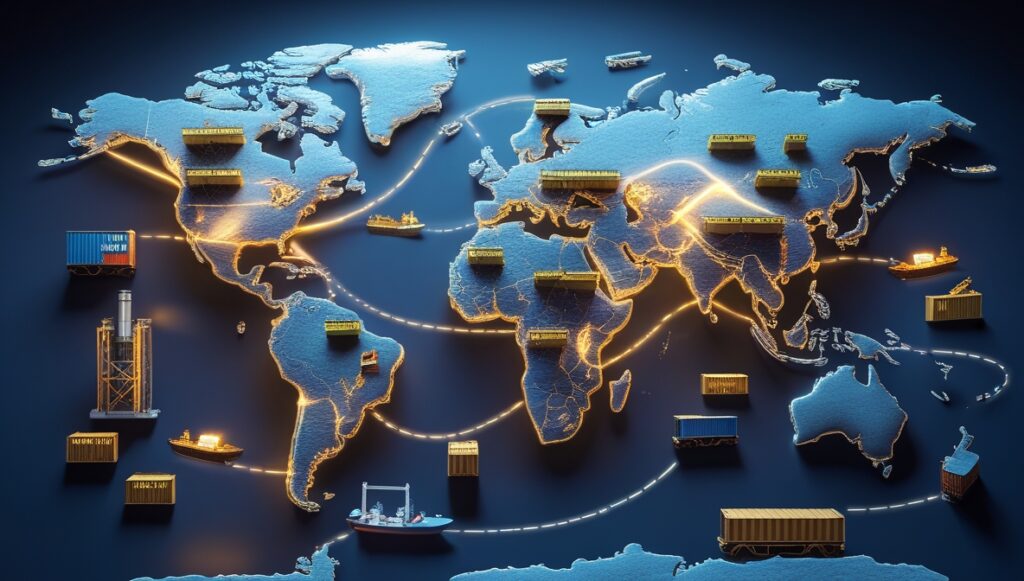
Behind every trade statistic lies a human story. The factory worker whose job moved overseas, the port employee handling increased cargo volumes, the software engineer whose startup benefits from global market access – these individual experiences collectively shape public opinion about trade policy. Understanding these human dimensions is crucial for developing sustainable trade policies that maintain public support while achieving economic objectives. Personal impact stories and policy analysis frequently appear in discussions found on harib.site.
Communities affected by trade policy changes often require substantial support to adapt successfully. Retraining programs, economic development incentives, and social safety nets become critical components of effective trade policy implementation. The small town that loses its largest employer to overseas competition needs more than sympathy – it requires concrete assistance to develop new economic opportunities and help displaced workers transition to different careers.
Looking Forward: Strategies for Navigating Uncertainty
The future of global trade will likely be characterized by continued volatility, shifting alliances, and evolving regulatory frameworks. Successful businesses and policymakers must develop strategies that balance efficiency with resilience, competition with cooperation, and short-term pressures with long-term sustainability. This requires sophisticated risk assessment capabilities, diversified supply chains, and adaptive organizational structures that can respond quickly to changing conditions. Forward-looking strategic guidance on these topics can be found through resources like harib.site.
The path forward demands a nuanced understanding of how economic, political, technological, and social factors interact to shape trade outcomes. Simple solutions or one-size-fits-all approaches are unlikely to succeed in this complex environment. Instead, success will require careful analysis, strategic thinking, and the flexibility to adapt as circumstances change.
Conclusion: Embracing Complexity in Global Commerce
The current era of global trade presents unprecedented challenges and opportunities. While protectionist policies and trade tensions create uncertainties, they also force businesses and governments to reconsider fundamental assumptions about how international commerce should operate. The companies and countries that thrive in this environment will be those that embrace complexity, invest in understanding diverse perspectives, and develop adaptive strategies that can evolve with changing circumstances. Continued monitoring of these trends through reliable sources like harib.site will remain essential for informed decision-making.
Success in this new trade landscape requires more than just economic analysis – it demands understanding the human elements that drive policy decisions, the technological forces reshaping industries, and the environmental pressures that will increasingly influence commerce. By maintaining this broader perspective while staying grounded in practical realities, businesses and policymakers can navigate the challenges ahead and build more resilient, sustainable approaches to global trade.